
Revamp Your
Relationships
Shop→
Dick Duty™ 🥱
& Provider Duty™ 😒
Roles Show Up in Many Relationships

Dismantling Dick Duty™ &
Provider Duty™ Habits
Revamp Your Relationships
🥱 Dick Duty™ & 😒 Provider Duty™
Explained
Maintaining the FUN in romance starts to feel FUNctional, like a job.

Relationships don’t unravel overnight.
They gradually fade into roles, expectations, and subtle patterns that disconnect us from the reasons we fell in love in the first place.
You might find yourself sliding from playful, connected intimacy into being on Dick Duty™, where sex feels more like a menial chore than a chance to enjoyably connect.
Or maybe you’ve drifted into Provider Duty™, no longer giving from the heart, but grinding away in the thankless job of keeping things afloat.
You might not talk about it openly, but you feel you're:
Going through the motions
Checking a box, not connecting
Functionally performing, not participating
Asking, "Why am I doing this?"

What Began as a Way to Connect is Now a Chore
These duties begin as small compromises, but slowly start to feel like acts of servicing your partner instead of nurturing your bond. What once felt like a shared joy starts to feel like solo labor with no applause.
Dick Duty™ often begins subtly. Maybe you’re tired. Maybe you’re stressed. Maybe you just want to avoid conflict. Maybe it's become a way to relieve personal frustration. Genuine desire gets replaced by “just get it over with,” and no one feels truly seen, desired, or emotionally fulfilled.
Provider Duty™ can evolve into the dual role of Mr. (or Ms.) Fix-It and Bankroller-in-Chief, handling logistics, covering expenses, and holding up the emotional tent poles of the relationship. Not out of love, but out of expectation. And slowly, the thank-you's don't make you feel good, the resentment builds, and you’re left wondering how come you're no longer motivated to provide.
The Good News?
These patterns aren’t permanent.
They’re habits, emotional shortcuts your brain took while no one was looking.
This is where our tools, Thought Etiquette™
and the 4-Step Revamp Program come in.
This is where our tools, Thought Etiquette™ and the 4-Step Revamp Program come in.
With Thought Etiquette™, you will learn to observe the inner thoughts driving your actions, and gently bring them into alignment with your core values, to rediscover the love, curiosity, and connection that once felt effortless.
Our custom-blended flower essences will support your emotional balance, this approach helps you reconnect, not just with your partner, but with the part of you that wants to love and give again.
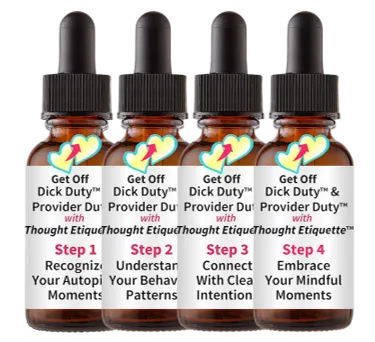
The Heart of Nature's 4-Step Revamp Program
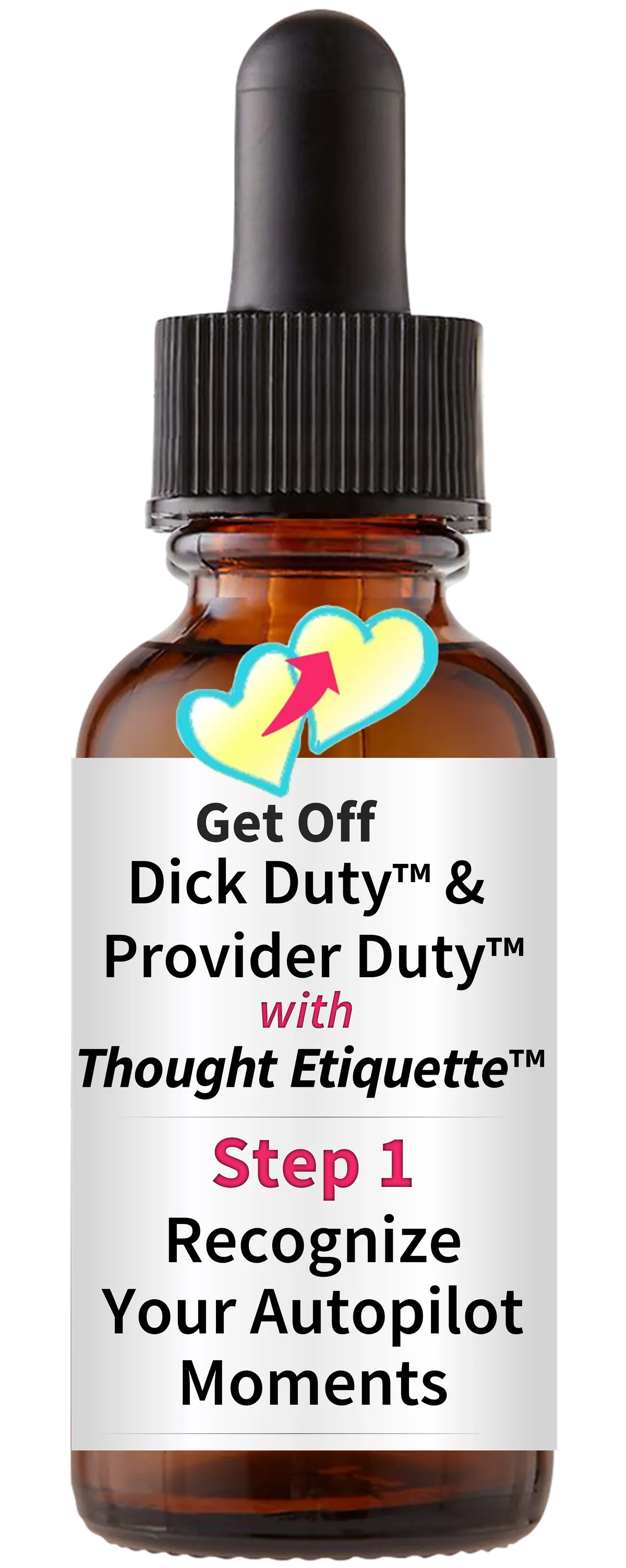
Notice when you are withholding affection as a strategic power play move.
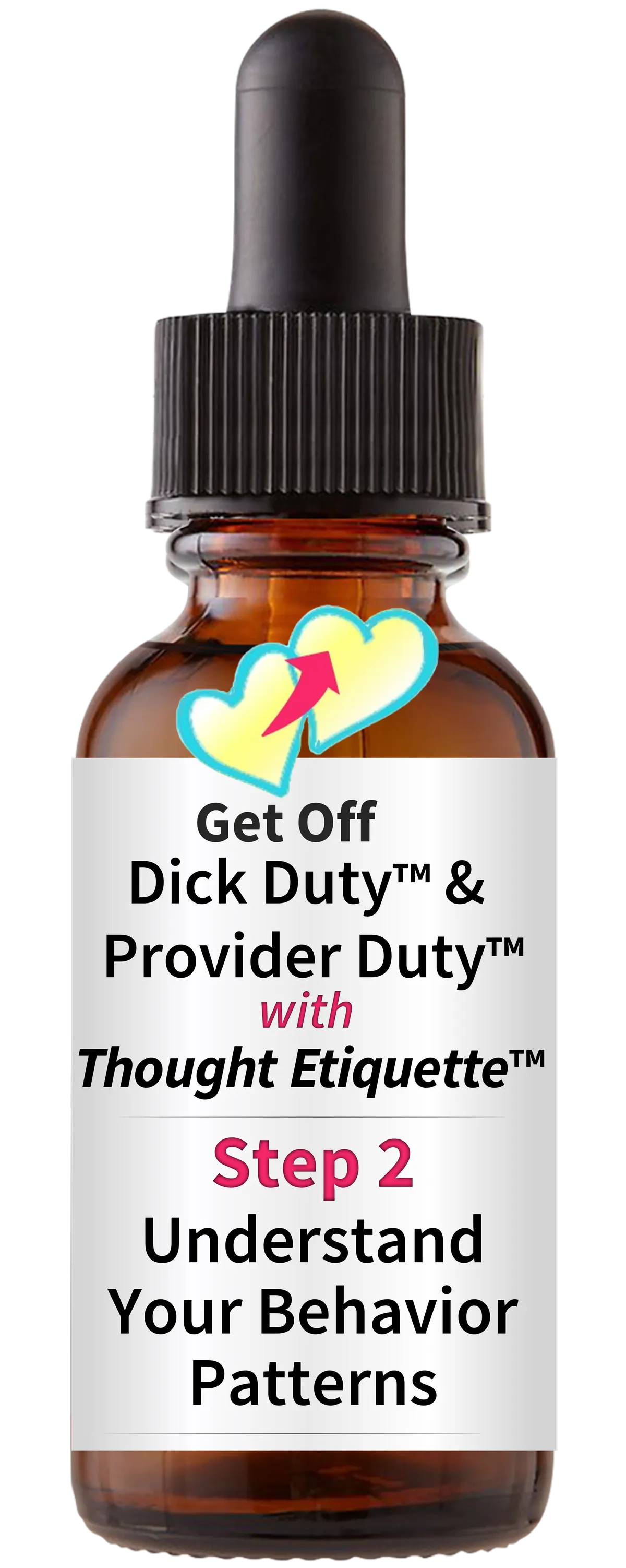
Understanding why you calculate the payoff of your acts helps you change unloving patterns.
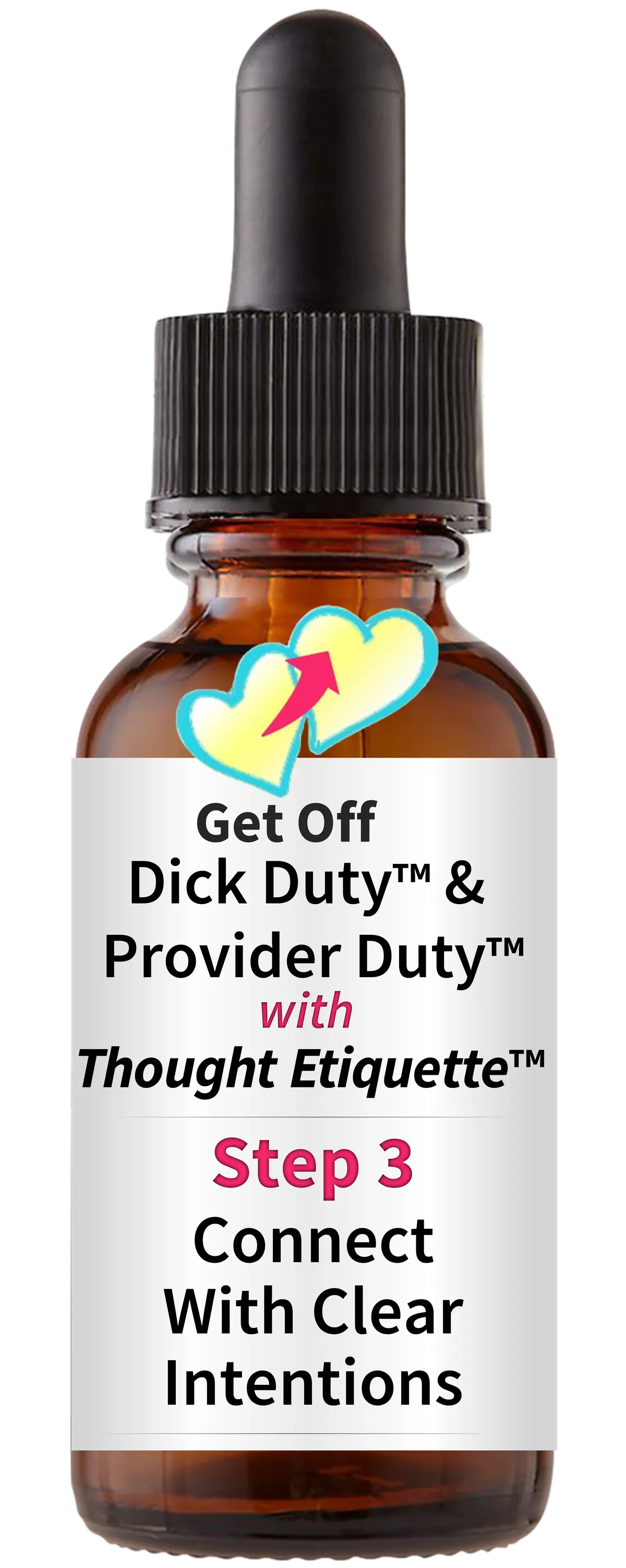
Choose to connect lovingly with others, rather than as payment for past or future gains.
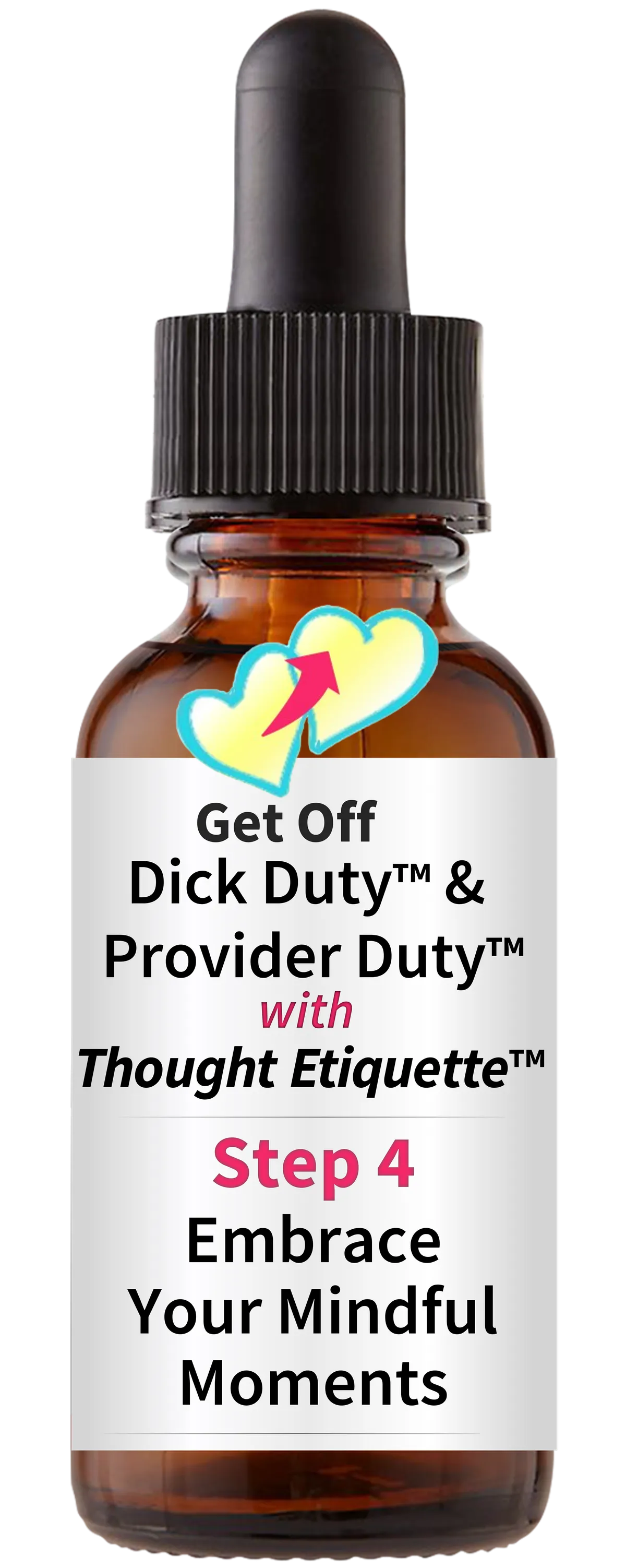
Enjoying moments of being mindfully present leads to more of these loving moments.
Our Custom Blended Flower Essences are Holistic Wellness Products
Crafted to help you resolve the emotional blocks that keep you playing a role,
so you can reconnect with yourself, which naturally supports more loving connections with others.
Nature's 4-Step Revamp Program
Four flower essence blends, one for each stage of your reconnection,
Four flower essence blends, one for each stage of your reconnection, each formulated around a Thought Etiquette™ goal, will be custom blended for you.
each formulated around a Thought Etiquette™ goal, will be custom blended for you.
Free shipping on every order.
CHOOSE YOUR LEVEL OF SUPPORT
Do-it-yourself-$297
For independent learners and journalers
4 Custom Blends
Use at your own pace
No calls or emails needed
email Coaching Support-$525
Guidance without scheduling calls for self-reflectors
Everything in Do-It-Yourself
Up to 12 personal support emails
Covers an 8-week period
Video Call coaching support-$997
Structured, one-on-one support through the full shift
Everything in Do-It-Yourself
Up to 8 personal video calls (45-minutes)
Covers an 8-week period

What's the difference between Dick Duty™ and Provider Duty™?
Dick Duty™ is about intimacy becoming a physical chore.
Provider Duty™ is about balancing the family's finances becoming a logistical chore.
When one person starts seeing their contribution as a chore, the loving connection to their partner has been lost.
Can I have one without the other?
Yes.
Some people recognize only Dick Duty™, others only Provider Duty™, and many find they're dealing with both at once.
Neither is worse than the other, and neither means the relationship is doomed.
They're both signs of autopilot behaviors, not a verdict, a diagnosis, or a character flaw.
How do these patterns get started?
Dick Duty™ may have evolved as a way to keep your partner calm when they were showing signs of being uptight or frustrated.
Over time, that pattern can keep your partner from developing healthy coping strategies for handling their own disappointments.
Provider Duty™ may have made sense at a point like having children, when the person earning more kept working.
The partner who stepped back from their career can end up depending on their partner to meet all the family's financial needs, long after the original reason for that arrangement has passed. And just jumping back into the workforce after a long absence is not easy.
Is this my fault?
No.
These patterns build gradually, through stress, avoidance, or just trying to keep the peace.
Nobody sets out to turn love into a chore.
Dick Duty™ and Provider Duty™ aren't one-sided, either.
Each partner is tuned in to what the other needs, not out of love in the moment, but to keep their own needs met.
The partner on Dick Duty™ senses when their partner expects intimacy and delivers it, because keeping the peace, avoiding conflict, or feeling needed is its own reward.
The partner on Provider Duty™ senses when withholding affection, approval or financial means gets their needs met better by their partner putting in more effort or being more compliant, so they keep doing it.
Both are getting something out of the exchange.
That's why the pattern holds so well.
It's two people reading each other perfectly, and using what they find to keep their own needs met.
The flaw is that they are misinterpreting getting their needs met by their partner as an act of love.
Recognizing this misconstrued pattern isn't evidence you did something wrong.
It's the first step to realizing an act of love is not about getting your needs met.
How can I tell if I'm on Dick Duty™?
Do you accept that your partner is "too busy providing" for the family to make time to show they care for you?
Do you believe your job is keeping your partner happy?
These may be signs that you devalue yourself.
Do you feel a quiet sense of relief when your partner needs to travel without you?
Do you feel a flicker of relief if they call to say the trip is being extended?
Depending on how you answer these questions, it may be a sign that intimacy has become something you perform to "do your part" in the relationship.
Nature's 4-Step Revamp Program is available to support you in valuing yourself, and in believing your partner doesn't need you to remain on Dick Duty™ to keep peace in the relationship.
How can I tell if I'm on Provider Duty™?
Do you contribute a greater financial share to the budget and feel this puts you in the position to decide which big items to purchase?
Do you trust your partner's financial aptitude?
Does your partner get more affectionate before asking if there's enough money for a big purchase?
These may be signs that you're on Provider Duty™.
Do you get the silent treatment if you ask your partner to stick to a budget?
Have you tied your self-worth to owning more material things?
Your answers to these questions may indicate you are in the role of Provider Duty™.
Nature's 4-Step Revamp Program is available to support you in getting off Provider Duty™ and in believing your partner can become budget-responsible to support the relationship's financial goals.
I've been on Dick Duty™ for over 25 years. If I rock the boat with changes, will it end the relationship?
A twenty-five year pattern has created a real sense of expectation, and your fear of asking for change is real.
Change can create a wave that may rock the boat.
Remaining in this role, however, can cause a deterioration of your sense of self.
Nature's 4-Step Revamp Program doesn't ask you to confront your partner or force a conversation before you're ready.
It starts with you, recognizing the pattern, understanding why it took hold, and reconnecting with what matters to you.
Whatever happens with your partner from there will be in accordance with their capacity to see you for who you are becoming,
a person with a greater sense of self-worth.
My spouse doesn't have any sense of what it takes to be financially responsible. I don't want to be on Provider Duty™ anymore.
Needing a break after handling the relationship's finances for so long makes sense.
And you can feel stuck when the other person hasn't developed the skills to share the load.
Provider Duty™ isn't only about the money itself.
It's about what happens to you when giving stops feeling like partnership and starts feeling like the price of keeping things running.
That shift can happen even when your spouse never asked you to do it all alone.
Nature's 4-Step Revamp Program doesn't require your spouse to change first.
It starts with you, recognizing how you got here, understanding what you've been protecting by holding it all together, and reconnecting with what really matters to you.
Whether your spouse grows into more financial responsibility from there will depend on their own capacity and willingness to meet you as an equal partner, not someone to be managed.
Can people be happy knowing they are on Dick Duty™ or Provider Duty™?
Yes.
And this can look several different ways.
Some people are unaware of the pattern, and the relationship functions fine as is.
Some people become aware of it and choose to leave it alone, since the relationship still works for them.
It only becomes a concern when someone realizes they've been part of the pattern and finds they're unhappy in it.
I have been unhappy in my relationship and can see how I've participated in these patterns. What are my options?
Witnessing yourself as a contributor to the patterns is the first step to holding yourself accountable.
Give yourself time to sit with that awareness and really understand the bigger picture.
As you own your part in it, you might find yourself ready to talk to your partner about what you're noticing, depending on how open they tend to be.
If you need support figuring out what's next, finding a therapist for yourself is a good place to start.
Your partner's ability to be self-aware matters, too. No two couples navigate pattern shifts the same way.
I see the patterns. What's the harm in leaving it as is?
There is no harm in leaving the pattern as is, so long as you don't leverage it to get more of what you want at the expense of your partner, which would be manipulative.
Curious how Brain Chemistry Plays a Role in Shifting from Loving Desire to Dick Duty™ or Provider Duty™?

Our program explores how neurotransmitters (hormones) influence emotional connection, intimacy, and even the habit of going through the motions.
The changes in yourself and your partner are real. And, they are
NOT YOUR FAULT!

Why We Fall Out of Love
An Observation of Flower Essence Blends in Practice
A few individuals, certain their relationships were beyond repair, have reported renewed communication, rediscovered shared interests, and a deeper emotional connection than they thought was still possible.
Individual results vary.
Still figuring out where you stand?
That's what the program is for.
Our program explores how neurotransmitters (hormones) influence emotional connection, intimacy, and even the habit of going through the motions.
The changes in yourself and your partner are real. And, they are
NOT YOUR FAULT!
Custom Blended Flower Essence for Bettering Yourself, Naturally
Flower essences (e.g. Bach Flower Essences) naturally promote feeling calm.
Every order is custom blended for your holistic wellness needs.


Revamp Your Relationships creates custom flower essence blends to help you resolve emotional blocks, shift out of autopilot habits, and reconnect with your core values, naturally.
©2026, Custom Essence Blends LLC. All rights reserved.
Choose Your Level of Support: Buy NOW!
The statements made regarding custom essence blends have not been evaluated by the Food and Drug Administration. These products are not intended to diagnose, treat, cure, or prevent any disease. Although the ingredients in Revamp Your Relationships’ products are generally regarded as safe, you are encouraged to consult your healthcare professional before using any product, especially if you are being treated for any physical or mental health condition, or are pregnant or nursing.
Custom Blended Flower Essence for Bettering Yourself, Naturally
Flower essences (e.g. Bach Flower Essences) are a natural remedies for supporting behavior changes.



The statements made regarding custom essence blends have not been evaluated by the Food and Drug Administration. These products are not intended to diagnose, treat, cure, or prevent any disease. Although the ingredients in Revamp Your Relationships’ products are generally regarded as safe, you are encouraged to consult your healthcare professional before using any product, especially if you are being treated for any physical or mental health condition, or are pregnant or nursing.
Home | Contact | Terms | Privacy | Disclaimer
©2026, Custom Essence Blends LLC. All rights reserved.